
Ensuring OSHA Fit Testing Compliance in Atlanta Fit Testing
When it comes to workplace safety, respirator fit testing is a critical step. Ensuring OSHA fit testing compliance is not just about following regulations; it’s about protecting your employees from harmful airborne contaminants. If you operate a business in Atlanta or the surrounding areas, understanding the requirements and best practices for fit testing can save you time, money, and potential legal issues.
In this post, I will walk you through the essentials of OSHA fit testing compliance, explain why it matters, and share practical tips to help you maintain compliance efficiently.
Understanding OSHA Fit Testing Compliance
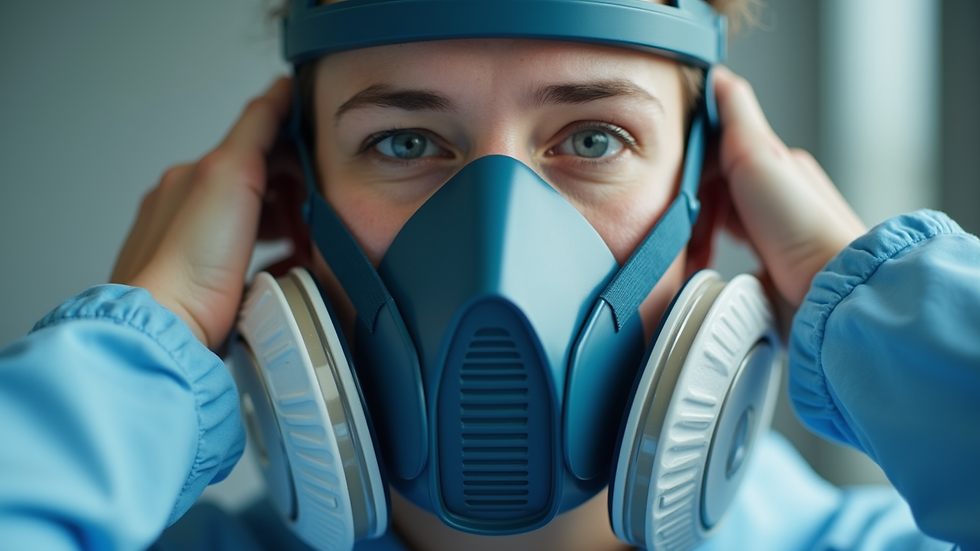
OSHA requires that employers provide respirators to employees when necessary to protect their health. However, simply providing respirators is not enough. OSHA mandates that each employee who uses a tight-fitting respirator must undergo fit testing to ensure the respirator forms a proper seal on their face.
There are two types of fit tests:
Qualitative Fit Testing (QLFT): A pass/fail test that relies on the wearer’s sensory detection of a test agent.
Quantitative Fit Testing (QNFT): Uses an instrument to measure the actual amount of leakage into the respirator.
OSHA’s Respiratory Protection Standard (29 CFR 1910.134) requires fit testing at least annually and whenever there is a change in the employee’s physical condition that could affect respirator fit.
Why Fit Testing Matters
Proper fit testing ensures that the respirator provides the intended level of protection. An ill-fitting respirator can allow hazardous substances to bypass the filter, putting the wearer at risk. This is especially important in industries such as construction, manufacturing, healthcare, and any environment where airborne hazards exist.
Failing to comply with OSHA fit testing requirements can result in citations, fines, and increased liability. More importantly, it can compromise employee safety.

Steps to Achieve OSHA Fit Testing Compliance
Achieving and maintaining OSHA fit testing compliance involves several key steps. Here’s a straightforward approach you can follow:
1. Identify Employees Who Need Respirators
Start by determining which employees require respirators based on their job duties and exposure risks. OSHA requires a written respiratory protection program that includes this assessment.
2. Select the Right Respirators
Choose respirators that are appropriate for the hazards present. Different respirators fit differently, so having a variety of models and sizes is important.
3. Conduct Initial Fit Testing
Before an employee uses a respirator in the workplace, conduct an initial fit test. This ensures the selected respirator fits properly.
4. Provide Training
Employees must be trained on how to properly wear, use, and maintain their respirators. Training should cover the importance of fit testing and how to recognize a poor fit.
5. Perform Annual and Additional Fit Tests
Fit testing must be repeated at least once every 12 months. Additional fit tests are required if the employee’s facial structure changes significantly, such as weight gain or loss, dental work, or facial surgery.
6. Keep Detailed Records
Maintain records of fit testing results, training, and respirator maintenance. OSHA requires these records to be available for inspection.
7. Use Professional Fit Testing Services
Consider partnering with a professional fit testing provider to ensure accuracy and compliance. They bring expertise and equipment that can streamline the process.
Practical Tips for Efficient Fit Testing in Atlanta
Managing fit testing can be challenging, especially for businesses with many employees or multiple locations. Here are some practical tips to help you stay compliant without disrupting your operations:
Schedule Fit Testing On-Site: On-site fit testing saves time and reduces downtime. It allows employees to be tested in their work environment, which can improve accuracy.
Plan Ahead: Schedule fit testing well before the annual deadline to avoid last-minute rushes.
Use Quantitative Fit Testing When Possible: QNFT provides objective data and is often preferred for higher-risk environments.
Train Supervisors: Equip supervisors with basic knowledge about fit testing to support employees and ensure compliance.
Leverage Technology: Use digital record-keeping systems to track fit testing schedules and results efficiently.
If you are looking for reliable and convenient fit testing services, georgia fit testing atlanta offers on-site quantitative respirator fit testing tailored to your business needs.
Common Challenges and How to Overcome Them
Even with a clear plan, businesses often face challenges in maintaining OSHA fit testing compliance. Here are some common issues and solutions:
Challenge 1: Employee Resistance
Some employees may be reluctant to participate in fit testing due to discomfort or misunderstanding. Address this by:
Explaining the importance of fit testing for their safety.
Providing comfortable respirator options.
Offering training sessions that encourage questions and feedback.
Challenge 2: Scheduling Conflicts
Coordinating fit testing for all employees can be difficult. To manage this:
Use flexible scheduling, including early mornings, late shifts, or weekends.
Break testing into smaller groups to minimize disruption.
Challenge 3: Record-Keeping Errors
Incomplete or inaccurate records can lead to compliance issues. Prevent this by:
Using standardized forms and digital tools.
Assigning a dedicated person to manage fit testing documentation.
Challenge 4: Changes in Employee Health or Appearance
Physical changes can affect respirator fit. Encourage employees to report any changes promptly and schedule additional fit tests as needed.
Staying Ahead with OSHA Fit Testing Compliance
Maintaining OSHA fit testing compliance is an ongoing process. It requires commitment, organization, and attention to detail. Here are some final recommendations to help you stay ahead:
Review Your Respiratory Protection Program Annually: Update it to reflect any changes in regulations or workplace conditions.
Stay Informed: OSHA standards can evolve. Keep up with the latest guidance and best practices.
Engage Employees: Foster a culture of safety where employees understand their role in respiratory protection.
Partner with Experts: Utilize professional fit testing services to ensure accuracy and compliance.
By following these steps, you can protect your workforce and avoid costly penalties. Remember, fit testing is not just a regulatory requirement - it’s a vital part of workplace safety.
If you want to learn more about how to implement effective fit testing programs or need assistance with compliance, consider reaching out to trusted providers like georgia fit testing atlanta who specialize in on-site quantitative fit testing.
Ensuring OSHA fit testing compliance is a responsibility that requires attention and action. With the right approach, you can make the process smooth and effective, keeping your employees safe and your business compliant.


Comments